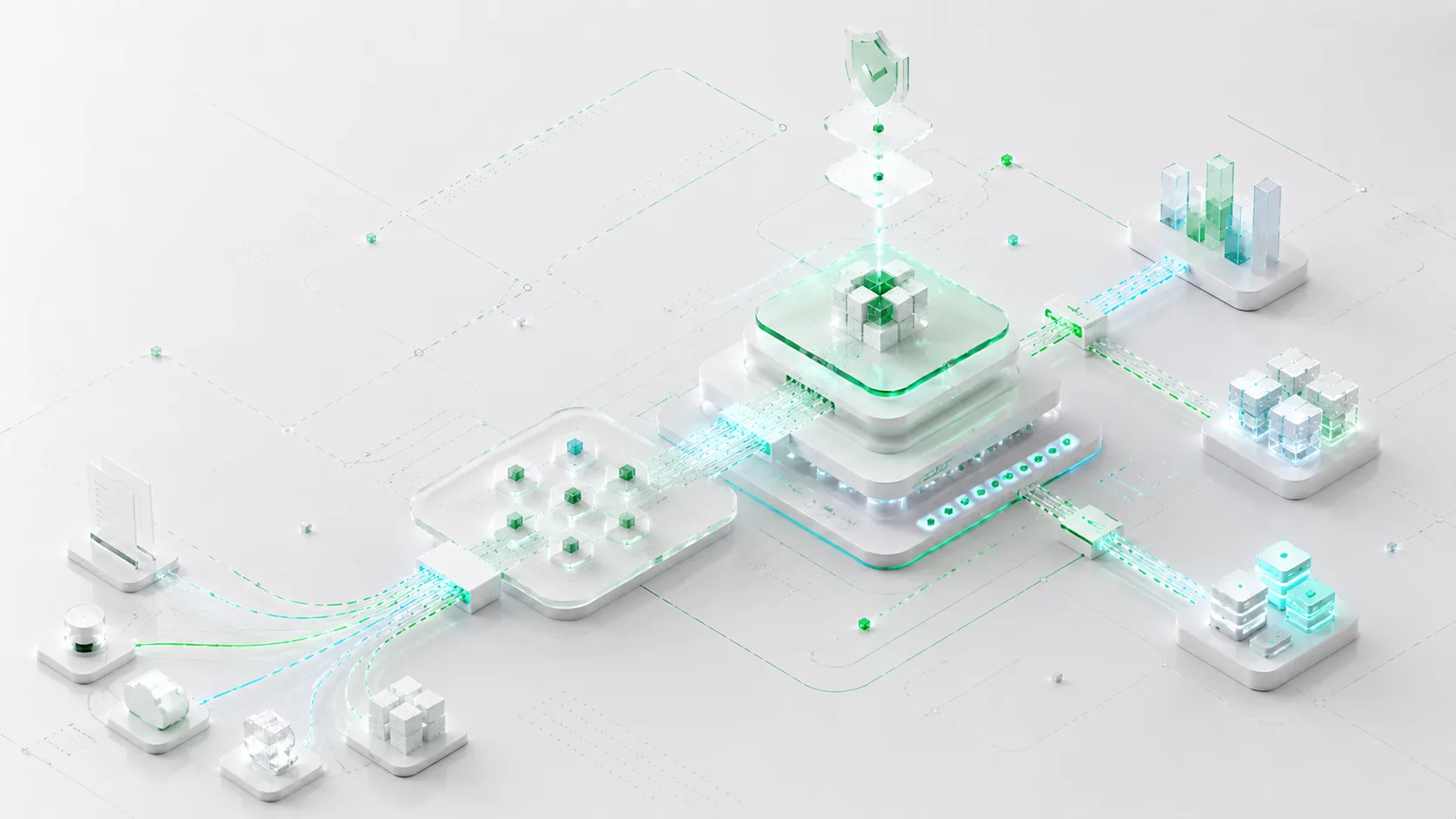
What Are AI Decision Systems? Enterprise Architecture, Governance, and Operational Intelligence in 2026
AI Decision Systems are rapidly becoming the operational backbone of modern enterprises. In 2026, organizations are no longer deploying AI solely for content generation or isolated automation tasks. They are building intelligent operational systems capable of analyzing signals, evaluating conditions, orchestrating workflows, prioritizing actions, and making real-time business decisions across enterprise infrastructure.
These systems now influence cybersecurity operations, cloud infrastructure scaling, customer workflows, financial operations, supply chain orchestration, engineering pipelines, and autonomous enterprise platforms. As AI maturity increases, the ability to operationalize reliable AI-driven decision-making has become a defining competitive advantage.
The future of enterprise AI is not simply model intelligence. It is operational decision intelligence — systems capable of orchestrating governed, observable, scalable decisions across enterprise infrastructure in real time.
What Are AI Decision Systems?
AI Decision Systems are enterprise-grade operational systems that use artificial intelligence, data pipelines, orchestration logic, and governance frameworks to evaluate conditions and execute or recommend decisions at scale.
Unlike traditional automation systems that follow static rule-based workflows, AI Decision Systems dynamically interpret signals, context, historical patterns, operational constraints, and enterprise objectives before determining actions.
Core Characteristics of AI Decision Systems
- Context-aware decision logic
- Real-time signal processing
- Adaptive workflow orchestration
- Autonomous or semi-autonomous execution
- Human-in-the-loop escalation capabilities
- Integrated governance and compliance controls
- Operational observability and auditability
- Enterprise infrastructure integration
Decision Intelligence
Analyze operational context and prioritize actions dynamically across enterprise systems.
Operational Automation
Coordinate workflows and infrastructure actions with governed orchestration logic.
Governed Execution
Maintain observability, compliance, and enterprise oversight across autonomous decisions.
Why AI Decision Systems Matter in 2026
Modern enterprises generate enormous operational complexity. Infrastructure events, security telemetry, customer behavior signals, deployment pipelines, cloud workloads, AI inference traffic, and business operations continuously produce decision pressure.
Human operators alone cannot process this scale of information efficiently. AI Decision Systems provide the operational intelligence layer required to prioritize, automate, and optimize enterprise actions in real time.
The Shift From Automation to Decision Intelligence
Traditional automation systems execute predefined workflows. AI Decision Systems evaluate conditions dynamically and adapt operational behavior based on changing inputs and enterprise context.
| Traditional Automation | AI Decision Systems |
|---|---|
| Static rule execution | Adaptive decision orchestration |
| Limited contextual awareness | Multi-signal contextual analysis |
| Manual escalation patterns | Intelligent escalation frameworks |
| Isolated workflows | Cross-platform orchestration |
The most advanced enterprises are no longer optimizing individual AI tools. They are optimizing enterprise decision velocity — the ability to make reliable operational decisions faster and more intelligently across the organization.
How Enterprise AI Decision Systems Work
Modern AI Decision Systems typically operate through layered operational architectures designed for scalability, observability, and governance.
1. Signal Ingestion Layer
This layer collects operational signals from enterprise systems including:
- Infrastructure telemetry
- Security alerts
- Application events
- Customer interaction data
- Operational metrics
- Workflow states
- API events
- AI inference pipelines
2. Decision Intelligence Layer
The decision layer evaluates operational conditions using:
- Machine learning models
- LLM reasoning systems
- Decision graphs
- Policy engines
- Risk scoring frameworks
- Context orchestration logic
3. Execution and Orchestration Layer
After decisions are evaluated, orchestration systems execute actions across enterprise platforms including:
- Cloud infrastructure systems
- Security tooling
- Developer platforms
- Customer operations systems
- Workflow automation platforms
- Infrastructure APIs
- AI agents and autonomous systems
Operational Signal Routing
Aggregate telemetry, infrastructure events, observability signals, and operational data streams into centralized decision pipelines.
Decision Execution Systems
Coordinate autonomous and semi-autonomous actions across enterprise operational environments.
Enterprise Use Cases for AI Decision Systems
Cybersecurity Operations
AI Decision Systems increasingly orchestrate:
- Threat prioritization
- Incident escalation
- Automated containment
- Risk scoring
- Access policy enforcement
Cloud Infrastructure Operations
Modern infrastructure teams use AI decision architectures for:
- Dynamic scaling
- Cost optimization
- Capacity forecasting
- Resource prioritization
- Infrastructure resilience management
Enterprise Workflow Automation
AI Decision Systems now coordinate:
- Customer operations
- Financial approvals
- Operational routing
- Developer workflows
- AI agent coordination
- Business process automation
Enterprise Architecture Perspective
From an enterprise architecture perspective, AI Decision Systems should not be treated as isolated AI products. They should be designed as operational control layers embedded into enterprise infrastructure ecosystems.
The most successful enterprises build decision systems using architecture-first principles:
Enterprise Decision Architecture Principles
- Policy-driven orchestration
- Event-driven operational pipelines
- Observability-first infrastructure
- Human escalation frameworks
- Governed AI execution models
- Cross-platform interoperability
- Zero Trust operational security
- Infrastructure resilience engineering
Governance and Security Considerations
As AI Decision Systems gain operational authority, governance becomes critically important.
Operational Risks
- Autonomous decision failures
- Incorrect escalation behavior
- Infrastructure misconfiguration
- Unauthorized actions
- Model hallucination risks
- Policy violations
- Data leakage exposure
Governance Requirements
Enterprises require:
- Audit logging systems
- Decision traceability
- Policy enforcement frameworks
- Human approval layers
- Access governance
- Observability platforms
- Runtime validation systems
Governance Insight
The future of enterprise AI governance is increasingly tied to operational decision governance — not just model governance. Enterprises must understand how decisions are made, why actions occur, and how autonomous systems behave under operational pressure.
Implementation Checklist
Enterprise AI Decision System Checklist
- Define enterprise decision governance policies
- Establish operational decision ownership
- Implement observability and audit logging
- Deploy event-driven orchestration pipelines
- Build escalation and override frameworks
- Implement AI runtime security controls
- Standardize infrastructure APIs
- Deploy AI monitoring systems
- Define decision reliability metrics
- Establish human-in-the-loop workflows
- Implement policy-as-code systems
- Continuously validate operational decisions
Common Mistakes Enterprises Make
Treating AI Decisions as Simple Automation
AI Decision Systems require infrastructure governance, operational observability, and architecture maturity. Treating them as lightweight automation tools creates reliability risks.
Ignoring Human Escalation Layers
Fully autonomous decision-making without escalation controls can create operational instability and governance failures.
Lack of Decision Observability
Without auditability and observability, enterprises lose visibility into how AI systems behave under production conditions.
The biggest enterprise AI risk in 2026 is not model intelligence — it is unmanaged operational autonomy.
Key Takeaways
Decision Intelligence Is the Next AI Layer
AI systems are evolving from assistants into operational decision platforms.
Governance Is Essential
Scalable AI decision-making requires auditability, oversight, and runtime governance.
Architecture Determines Reliability
Enterprise AI Decision Systems succeed when infrastructure, orchestration, and observability are designed upfront.
How YggyTech Helps
YggyTech helps enterprises design scalable AI Decision Systems that combine governance, orchestration, infrastructure resilience, and operational intelligence.
Our teams support:
- Enterprise AI decision architecture
- Operational AI orchestration systems
- AI governance implementation
- Decision observability platforms
- AI infrastructure modernization
- Cloud-native AI operations
- Human-in-the-loop workflow design
- Enterprise AI security integration
Build Enterprise AI Decision Systems That Scale
YggyTech helps enterprises operationalize AI decision intelligence through scalable infrastructure, governance frameworks, observability systems, and enterprise-grade orchestration architecture.
Schedule an AI Architecture ConsultationFAQs
What are AI Decision Systems?
AI Decision Systems are enterprise platforms that analyze operational signals, evaluate context, and execute or recommend decisions using AI-driven orchestration and governance frameworks.
How are AI Decision Systems different from traditional automation?
Traditional automation follows static workflows, while AI Decision Systems dynamically evaluate operational context and adapt decisions based on changing conditions.
Why are AI Decision Systems important for enterprises?
They help organizations improve operational efficiency, automate complex workflows, optimize infrastructure decisions, and scale intelligent enterprise operations.
What governance challenges exist in AI Decision Systems?
Key challenges include auditability, runtime security, autonomous risk management, policy enforcement, human oversight, and operational reliability.
How does YggyTech support enterprise AI Decision Systems?
YggyTech helps enterprises design AI decision architectures, implement governance frameworks, operationalize AI infrastructure, and build scalable decision orchestration systems.

Liam Walker
Product & AI Research Analyst
Liam researches emerging AI tools, automation workflows, and next-generation digital products. He contributes fresh perspectives on startup technology trends, AI productivity systems, and modern SaaS innovation for fast-growing companies.


